
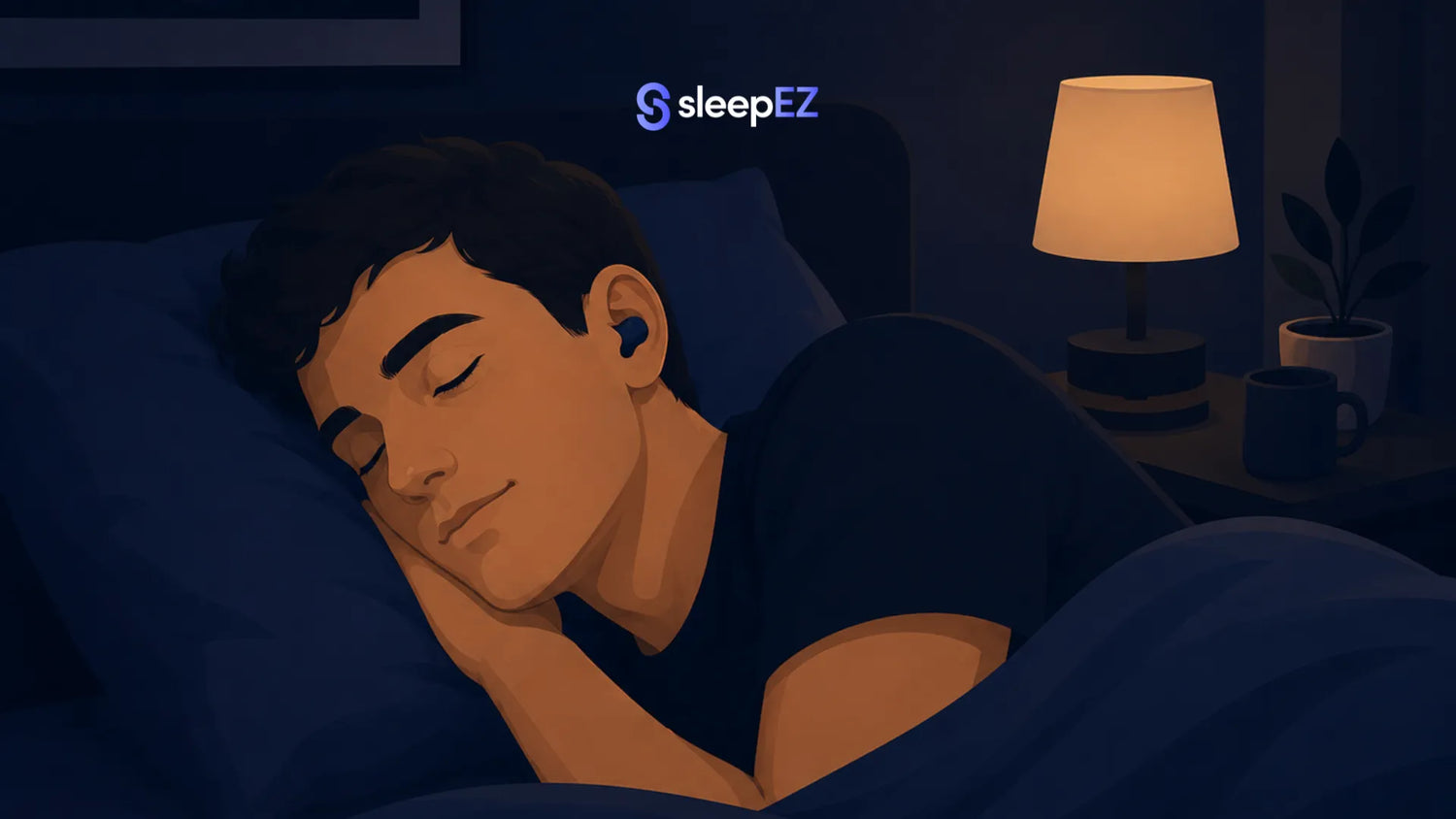
Yes, sleeping with earplugs is generally safe when you use them correctly. Millions of people wear them every night without problems.
Most issues that can arise are minor and easily preventable when you know what to watch for and how to use them correctly.
The key to safe earplug use is understanding proper techniques and basic hygiene practices. With the right approach, you can enjoy better sleep while keeping your ears healthy.
This guide focuses on how to use earplugs safely, what medical experts recommend, and simple steps to prevent any potential problems.
Is It Safe to Sleep with Earplugs Every Night?
For most healthy adults, sleeping with earplugs every night is generally safe when they are used correctly and kept clean.
The key conditions for safe nightly use:
- Clean your earplugs regularly (every 2–3 uses for silicone)
- Use the correct size for your ear canal
- Insert them gently, never force them deep
- Take occasional breaks to let your ears breathe
- Replace earplugs when they show signs of wear
Regular use may increase the risk of earwax buildup or mild irritation if proper hygiene isn't maintained. However, for most people, the sleep benefits of reduced noise significantly outweigh these manageable risks.
Benefits of Sleeping with Earplugs
This section is often missing from earplug safety articles, but it's important context for understanding why millions of people use earplugs nightly.
Fewer sleep disruptions.
Earplugs reduce the impact of sudden noises, a snoring partner, traffic, neighbours, that are among the most common causes of nighttime waking.
Improved sleep quality.
Research suggests that reducing noise during sleep may increase time spent in deeper sleep stages, supporting more restorative rest.
Better next-day functioning.
Fewer awakenings means more complete sleep cycles, which translates to improved concentration, mood, and reaction time the following day.
Reduced snoring disturbance.
For light sleepers sharing a bed with a snorer, earplugs can be transformative. They don't eliminate the sound entirely but reduce it to a manageable level.
Useful for shift workers.
People sleeping during the day face significantly more noise than night sleepers. Earplugs are one of the most effective tools for daytime sleep.
What Doctors Say About Earplug Safety
Most medical professionals agree that earplugs are safe for regular use when proper techniques are followed. The medical consensus is reassuring for people considering nightly earplug use.
Audiologists recommend taking regular breaks from earplugs to let your ears "breathe" and clean themselves naturally. Many suggest using earplugs no more than 5-6 nights per week as a best practice.
ENT (ear, nose, and throat) specialists routinely recommend earplugs for patients with sleep disruption from noise. While they do see patients with earplug-related issues, these problems are almost always due to improper use or poor hygiene practices.
Sleep medicine doctors often recommend earplugs as a first-line treatment for patients with noise-related sleep problems. They emphasize that the sleep benefits typically far outweigh the minor risks when earplugs are used correctly.
Read: Best Ear Plugs for Sleeping
Can Earplugs Cause Earwax Buildup?
This is one of the most common concerns about regular earplug use, and it's worth addressing directly.
The short answer: Earplugs don't cause your ears to produce more earwax. However, they can interfere with the ear's natural self-cleaning process.
How it works: Your ear canal naturally moves earwax outward through a process called epithelial migration. When you regularly insert earplugs, this outward movement can be disrupted, particularly if the earplugs are pushed deep into the canal.
Who is most at risk:
- People who already produce more earwax than average
- People who insert earplugs too deeply
- People using foam earplugs, which require deeper insertion
- People who don't clean their earplugs regularly
How to reduce the risk:
- Use silicone earplugs, which sit at the entrance of the ear canal rather than deep inside
- Never insert earplugs beyond the point of comfort
- Clean earplugs after every 2–3 uses
- Have your ears checked by a doctor if you notice reduced hearing or a feeling of fullness
Can Earplugs Cause Ear Infections?
Earplugs themselves don't cause ear infections, but dirty earplugs can.
The mechanism: Your ear canal is warm, moist, and dark, ideal conditions for bacterial and fungal growth. When you insert dirty earplugs, you introduce bacteria and earwax residue into this environment.
Over time, this can contribute to otitis externa (outer ear infection, also called swimmer's ear).
Signs of an ear infection to watch for:
- Pain or discomfort in the ear canal
- Itching inside the ear
- Discharge or unusual odour from the ear
- Reduced hearing in one ear
- Redness or swelling around the ear opening
Prevention is straightforward:
- Clean silicone earplugs every 2–3 uses with warm water and mild soap
- Disinfect weekly with a 70% isopropyl alcohol wipe
- Let earplugs dry completely before storing
- Never share earplugs with others
- Replace earplugs when they show signs of wear or discolouration
If you experience any signs of infection, stop using earplugs and consult a doctor.
Foam vs Silicone Earplugs for Sleeping
Not all earplugs carry the same risks. The material matters significantly for regular sleep use.
| Feature | Foam Earplugs | Silicone Earplugs |
|---|---|---|
| Reusable | ❌ Disposable | ✅ Yes |
| Earwax buildup risk | Higher (deeper insertion) | Lower (shallower fit) |
| Hygiene | Poor (can't be washed) | Better (washable) |
| Comfort for side sleepers | Moderate | Excellent |
| Infection risk | Higher | Lower |
| Cost per use | Higher long-term | Lower long-term |
| Noise reduction | High | Moderate–High |
| Eco-friendly | ❌ | ✅ |
For regular nightly sleep use, silicone earplugs are generally the better choice. Their shallower fit reduces earwax disruption, their washable surface reduces bacterial buildup, and their soft, mouldable design is more comfortable for side sleepers.
QuietBuds are made from medical-grade silicone and designed specifically for sleep, including side sleeping, with a comfortable, shallow fit that minimises the risks associated with regular earplug use.
Can You Hear Your Alarm with Earplugs?
This is one of the most practical concerns for regular earplug users, and the answer depends on the type of earplugs and your alarm.
Standard earplugs (SNR 25–33 dB): Most people can still hear a standard phone alarm at normal volume. The alarm will sound quieter and more muffled, but audible.
Tips to ensure you hear your alarm:
- Increase your alarm volume before bed
- Use a vibrating alarm (phone under your pillow or a vibrating wristband)
- Use multiple alarms set 5 minutes apart
- Place your phone closer to your head than usual
For smoke alarms: Most residential smoke alarms produce 85+ dB at close range. Standard earplugs (reducing by 25–33 dB) would still allow you to hear a smoke alarm at approximately 52–60 dB, which is audible for most people.
However, if you're a heavy sleeper or use high-NRR earplugs, consider a smoke alarm with a strobe light feature as an additional safety measure.
Preventing Common Issues
While earplugs are generally safe, understanding potential issues helps you prevent them entirely. Here's what to watch for and how to avoid each problem.
Preventing Earwax Buildup
This is the most common issue with regular earplug use, but it's easily preventable. Your ears naturally produce wax to protect the ear canal. Normally, this wax moves outward and falls out on its own.
Earplugs can disrupt this natural process in two ways. They can push existing wax deeper into your ear canal when inserted. They also act like a cork, preventing wax from naturally working its way out.
Over time, this creates a buildup called earwax impaction. You might notice sounds becoming muffled, a feeling of fullness in your ears, or slight hearing loss. Some people experience ear pain or strange sounds like crackling or popping.
How to prevent earwax problems:
- Take 1-2 nights off from earplugs each week
- Use proper insertion technique (don't push too deep)
- Choose silicone earplugs over foam for regular use
- Never use cotton swabs to clean your ears
High-quality silicone earplugs create a seal at the ear opening without needing deep insertion, which can reduce the risk of pushing wax inward.
Their moldable design adapts to your ear shape and seals the canal without penetrating it deeply.
Early signs to watch for:
- Muffled hearing that lasts more than a few hours after removing earplugs
- Feeling like your ears are full or plugged
- Ear pressure or mild discomfort
If you notice these signs, take a break from earplugs for a few nights. Most minor wax issues resolve on their own when you give your ears time to self-clean.
Avoiding Ear Infections
Ear infections are uncommon when you maintain good hygiene practices. Bacteria and fungi thrive in warm, moist environments, which is why cleanliness is so important.
Simple steps to prevent infections:
- Always wash your hands before handling earplugs
- Replace disposable earplugs after each use
- Clean reusable earplugs daily with mild soap and water
- Let reusable earplugs air dry completely before storing
- Store clean earplugs in a dry, clean case
- Don't share earplugs with others
Non-porous silicone earplugs are easy to clean daily with mild soap and water, and their smooth surface doesn't trap bacteria like porous materials can.
Reusable designs allow you to maintain consistent hygiene practices without the waste of single-use options.
Signs that suggest you should see a doctor:
- Ear pain that gets worse when you touch or pull your ear
- Any discharge from the ear
- Persistent itching inside the ear
- Swelling around the ear
Most people who follow basic hygiene practices never experience ear infections from earplug use.
Using Proper Insertion Technique
While serious insertion injuries are rare, they're completely preventable with proper technique. The ear canal ends at your eardrum, a thin membrane that requires gentle handling.
Safe insertion guidelines:
- Never force an earplug into your ear
- Insert only until about half the earplug remains visible
- Use gentle, steady pressure - never push hard or fast
- If there's resistance, stop and try a different angle
- For foam plugs, let them expand naturally after insertion
Stop insertion immediately if you feel:
- Sharp or sudden pain
- Strong resistance
- Like you're pushing against something solid
The key is being gentle and patient. Proper insertion should never cause pain or significant discomfort.
Choosing Compatible Materials
Most people can use earplugs without any material sensitivity issues. However, some individuals may be sensitive to certain materials.
How to test for material compatibility:
- Try a new type of earplug for just one night initially
- Choose hypoallergenic options like silicone if you have sensitive skin
- Avoid latex-based earplugs if you have latex allergies
Signs to watch for (stop use if these occur):
- Itching in or around the ears
- Mild irritation or redness
- Skin that feels rough or develops small bumps
If you experience any sensitivity, simply switch to a different material. Silicone earplugs are typically the most compatible option for people with sensitivities.
High-quality silicone earplugs like Quietbuds are specifically designed to be hypoallergenic and gentle for extended wear.
How Long Is Too Long to Wear Earplugs?
For sleep use, wearing earplugs for a full night (7–9 hours) is generally fine for most people when proper hygiene is maintained.
Guidelines for safe duration:
- Overnight sleep (7–9 hours): Generally safe with clean earplugs
- Extended periods (12+ hours): Not recommended, give your ears a break
- Consecutive nights: Fine with regular cleaning and occasional rest nights
- Continuous all-day use: Not recommended, ears need periods without occlusion
Signs you may be wearing earplugs too long:
- Ear canal feels itchy or irritated after removal
- Ears feel "full" or blocked
- Mild discomfort inside the ear canal
- Earwax appears darker or more compacted than usual
If you notice any of these signs consistently, take a few nights off and consult a doctor if symptoms persist.
Alternatives to Sleeping with Earplugs
If earplugs aren't right for you, or you want to combine approaches, these alternatives may help:
White noise machine: Creates steady background sound that masks sudden noises without anything in your ear canal. The Hush Sound Machine is designed specifically for sleep environments.
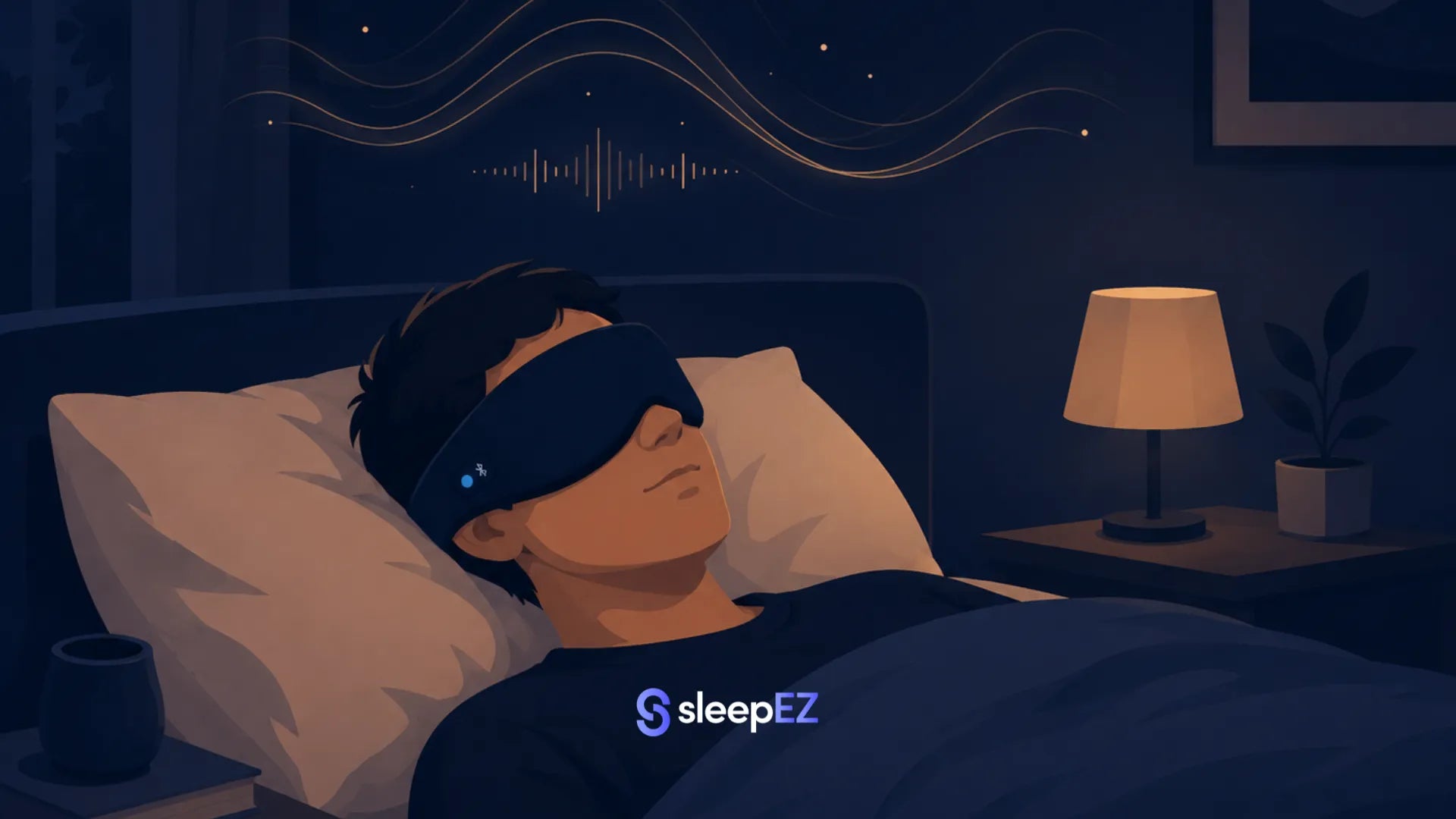
Bluetooth sleep mask with audio: Delivers sleep audio through ultra-thin speakers in the mask, no ear canal contact. The Dreamy Sounds Sleep Mask is a popular option for people who want audio without earbuds.
Soundproofing improvements: Heavy curtains, door seals, and rugs can meaningfully reduce noise transmission into your bedroom.
Addressing the noise source: If a snoring partner is the issue, mouth tape or nasal strips may reduce snoring at the source.
Maintaining Safety with Earplugs
Hearing Important Sounds
One crucial safety consideration often overlooked is maintaining your ability to hear important sounds while sleeping.
Essential sounds to consider:
- Smoke detectors and fire alarms
- Security alarms
- Your alarm clock
- Emergency sounds (sirens, breaking glass)
- Children or family members calling for help
Safety strategies:
- Test that you can hear your smoke detector with earplugs in
- Use a louder alarm clock or vibrating alarm
- Consider leaving one ear uncovered if you're a parent or caregiver
- Inform household members that you wear earplugs
Maintaining Healthy Sleep Habits
While not a health risk, some people become very accustomed to sleeping with earplugs. This is completely normal and not harmful, but it's good to maintain some flexibility.
Healthy earplug habits:
- Practice sleeping without them occasionally when possible
- Keep backup pairs when traveling
- Try other noise control methods on your "off" nights
When dependence might be worth addressing:
- Extreme anxiety when earplugs aren't available
- Inability to sleep in naturally quiet environments
- Difficulty hearing important sounds like alarms
Most earplug users develop a preference for them without any negative impact on their sleep flexibility.
Staying Safe with Regular Use
For people who use earplugs regularly, following a few additional practices helps maintain optimal ear health over time.
The Importance of Regular Breaks
Taking occasional breaks allows your ears to air out and complete their natural cleaning process. This simple practice prevents most long-term issues.
Recommended break schedule:
- Take 1-2 nights off per week if possible
- Consider a full week break every few months
- Use break nights to try alternative noise control methods
Monitoring Your Ear Health
Regular self-checks help you catch any minor issues early when they're easiest to address.
Monthly ear health check:
- Notice if your hearing seems different after removing earplugs
- Check that earplugs are going in and coming out easily
- Pay attention to any persistent feelings of fullness
When Professional Care Helps
While most earplug users never need medical attention, certain situations benefit from professional guidance.
Answers to Common Safety Questions
Is it safe to sleep with earplugs every night?
Most doctors say nightly use is acceptable if you follow proper hygiene and take occasional breaks. However, using earplugs 7 nights a week increases your risk of problems.
The safest approach is using earplugs 5-6 nights per week, giving your ears 1-2 nights to breathe. If you must use them every night, be extra careful about cleanliness and proper insertion.
How long is too long to wear earplugs?
For single use, remove earplugs as soon as you wake up. Don't wear them during the day unless necessary for specific noise exposure.
For long-term use, take regular breaks. If you've been using earplugs nightly for months without breaks, consider taking a week off to let your ears recover.
Do doctors recommend earplugs for sleep?
Many doctors do recommend earplugs for patients with specific needs. They're often suggested for:
- People with snoring partners
- Shift workers who sleep during noisy daytime hours
- Light sleepers in noisy environments
- Temporary situations like hotel stays or construction noise
However, doctors always emphasize proper use and hygiene. They may not recommend earplugs for people with existing ear problems, frequent infections, or excessive earwax production.
Are there safer alternatives to earplugs?
Several alternatives can provide noise reduction without putting objects in your ears:
White noise machines mask disturbing sounds with consistent background noise. They're safer for nightly use than earplugs.
Sound-dampening modifications like heavy curtains, carpet, or acoustic panels can reduce outside noise entering your bedroom.
Addressing noise sources directly, such as getting treatment for a partner's sleep apnea, often works better than covering up the problem.
Sleeping in a different room temporarily can help when dealing with specific noise issues.
Sleep masks with built-in speakers can provide white noise or nature sounds without blocking your ears.
Special Safety Considerations
For People with Existing Ear Problems
If you have a history of ear infections, perforated eardrums, excessive earwax, or other ear conditions, consult with a doctor before using earplugs regularly.
Some conditions make earplug use riskier or require special precautions.
For Children
Don't give earplugs to children under 3 years old due to choking risk. For older children, consult a pediatrician first and supervise use carefully.
Children's ear canals are smaller and more delicate than adults'. They're also more prone to ear infections.
During Illness
Avoid using earplugs when you have a cold, sinus infection, or any ear symptoms. Your ears need to drain properly during illness, and earplugs can trap infected material.
With Hearing Aids or Other Devices
If you use hearing aids or other ear devices, ask your audiologist about earplug compatibility and safety.
The Bottom Line
Earplugs are generally safe for most healthy adults when used correctly. The key is understanding the risks and taking proper precautions.
Most earplug-related problems are preventable with good hygiene, correct insertion technique, and regular breaks. Serious complications are rare but can be avoided entirely with responsible use.
The benefits of better sleep often outweigh the small risks for most people. However, don't ignore warning signs or assume problems will resolve on their own.
If you're unsure whether earplugs are safe for your situation, consult with a healthcare provider. They can evaluate your individual risk factors and provide personalized recommendations.
Remember that earplugs are just one tool for managing sleep disruption. Consider addressing noise sources directly or using alternative methods when possible.
With proper use and attention to safety, quality earplugs can be an effective way to improve your sleep without compromising your ear health. If noise is disrupting your sleep, the right earplugs can make all the difference.
Frequently Asked Questions
Is it bad to sleep with earplugs every night?
For most healthy adults, no. Nightly earplug use is generally safe when earplugs are kept clean, inserted correctly, and replaced when worn.
The main risks, earwax buildup and irritation, are manageable with proper hygiene.
Can earplugs damage your hearing?
Standard sleep earplugs do not damage hearing. They reduce noise by 25–33 dB, which is well within safe limits.
Hearing damage requires prolonged exposure to sounds above 85 dB, the opposite of what earplugs do.
Can earplugs cause tinnitus?
Earplugs themselves don't cause tinnitus. However, if earplugs contribute to earwax impaction, the pressure from compacted wax can temporarily cause ringing sensations.
Regular cleaning and proper insertion technique prevent this.
Can sleeping with earplugs cause ear infections?
Dirty earplugs can contribute to ear infections by introducing bacteria into the ear canal. Clean silicone earplugs used correctly carry a low infection risk.
Can earplugs push earwax deeper?
Foam earplugs inserted deeply can disrupt the ear's natural wax migration. Silicone earplugs with a shallower fit are less likely to cause this problem.
Are silicone earplugs safer than foam for sleep?
Generally yes. Silicone earplugs sit shallower in the ear canal, are washable, and are less likely to disrupt earwax migration.
They're also more comfortable for side sleepers.
Can you hear a smoke alarm with earplugs in?
Most people can. Standard earplugs reduce noise by 25–33 dB. A smoke alarm at 85 dB would still register at approximately 52–60 dB, audible for most people.
Consider a strobe-equipped smoke alarm as an additional safety measure if you're concerned.
How often should you clean reusable earplugs?
Every 2–3 uses for regular sleep use. Clean with warm water and mild soap, rinse thoroughly, and air dry completely.
Disinfect weekly with a 70% isopropyl alcohol wipe.
Should I sleep with one earplug or two?
Two is standard for maximum noise reduction. If you're a side sleeper who finds one ear uncomfortable, some people use just one earplug in the ear facing up.
However, two provides more consistent noise reduction.
Are earplugs safe for side sleepers?
Yes, particularly silicone earplugs. Their soft, mouldable design conforms to the ear canal without creating the pressure that foam earplugs can cause when your head is on a pillow.

Leave a comment
This site is protected by hCaptcha and the hCaptcha Privacy Policy and Terms of Service apply.