
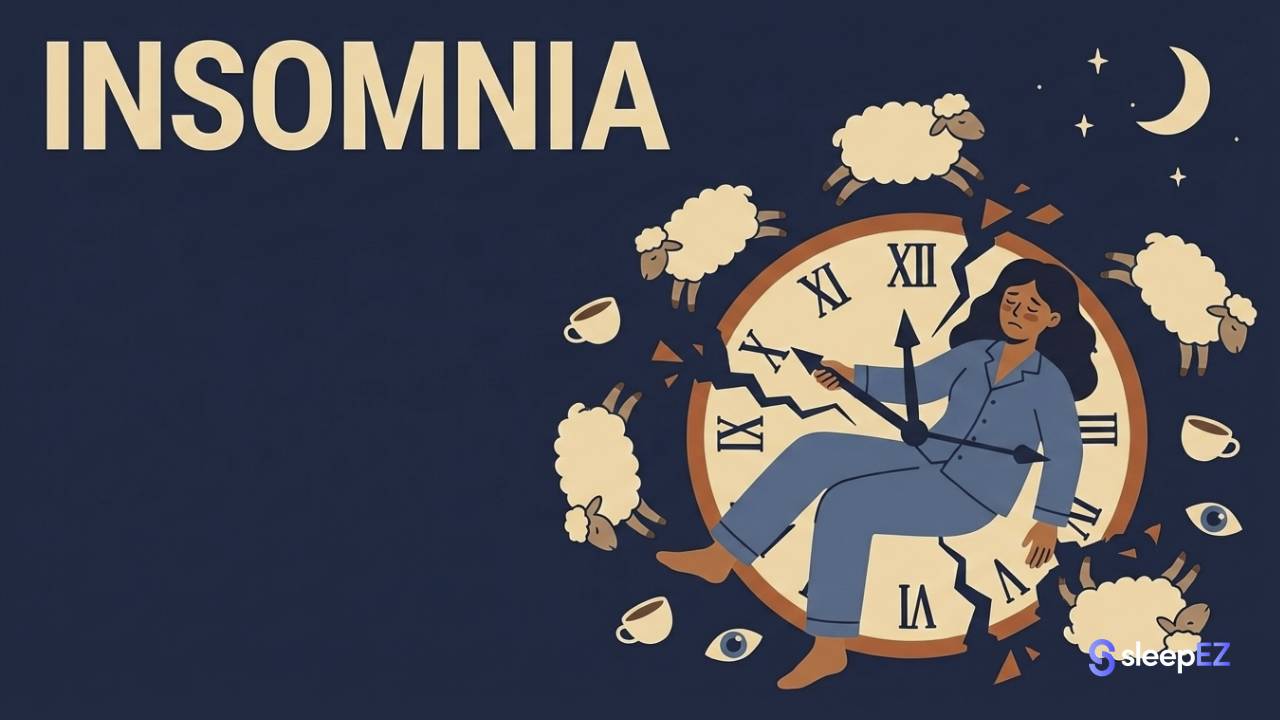
Can't fall asleep night after night? Wake up over and over, watching the clock? You're not alone. Millions struggle with insomnia. This isn't just bad sleep. It's a real disorder that affects your health and daily life.
This guide helps you understand insomnia. You'll learn to spot the signs. You'll find proven ways to sleep better again.
Quick Facts About Insomnia
Here's what matters most:
- One in three adults faces insomnia at some point
- Women get it more often than men
- It can last days or years
- Poor sleep hurts your body, mind, and work
- Most cases get better with treatment
- Behavior changes work better than pills alone
What Is Insomnia?
Insomnia means you can't sleep well. You might struggle to fall asleep. You might wake up often. Or you wake too early and can't sleep again.
Bad sleep happens to everyone sometimes. Insomnia is different. It happens often and ruins your day.
Doctors call it insomnia when sleep problems happen three times a week for three months. You also feel tired or foggy during the day.
Types of Insomnia
Acute Insomnia hits suddenly. It lasts days or weeks. Stress or travel often causes it.
Chronic Insomnia sticks around for months. It happens three times a week or more. This type needs serious help.
Sleep Onset Insomnia means you can't fall asleep. You lie awake for 30 minutes or longer.
Sleep Maintenance Insomnia means you wake up a lot. Or you wake too early and stay awake.
Signs You Have Insomnia
Insomnia shows up in predictable patterns. Learning to recognize these signs helps you know when to seek help. Some symptoms happen at night while you're trying to sleep:
- Taking over 30 minutes to fall asleep
- Waking many times each night
- Lying awake for long periods
- Waking hours before your alarm
- Feeling worried about sleep at bedtime
The effects don't stop when morning comes. Insomnia creates problems throughout your waking hours that impact your quality of life:
- Feeling tired all day
- Trouble focusing or remembering things
- Mood swings, anger, or sadness
- Low energy for daily tasks
- More mistakes at work or driving
- Headaches or stomach problems
- Constant worry about sleep
You need both night and day problems to have insomnia. Just being a night owl doesn't count.
What Causes Insomnia?
Sleep problems rarely exist in isolation. They usually connect to other aspects of your health or lifestyle. Understanding what triggers your insomnia is the first step toward fixing it.
Mind and Mood
Stress tops the list of psychological causes. Your brain stays busy with worries, replaying the day or planning tomorrow. This mental activity keeps you awake when you need rest.
Anxiety and depression mess up sleep patterns too. Depression often makes you wake too early and stay awake.
Health Problems
Physical illness and sleep problems often go hand in hand. Treating the underlying condition can improve your sleep significantly. Common medical causes include:
- Chronic pain from arthritis or back injuries
- Breathing issues like asthma
- Heartburn and stomach problems
- Brain disorders like Parkinson's
- Hormone changes from menopause or thyroid issues
- Heart disease
Daily Habits
Your daily routine directly affects how well you sleep at night:
- Irregular sleep times, especially shift work
- Screen time before bed
- Coffee, nicotine, or alcohol at night
- No exercise or working out too late
- Bright, noisy, or hot bedroom
- Using your bed for work or TV
Medications
Some prescription drugs cause sleep problems as a side effect. These include certain antidepressants, blood pressure pills, and steroids. Even over-the-counter caffeine pills can wreck your sleep quality.
Who Gets Insomnia More?
Insomnia doesn't discriminate, but certain factors increase your chances of developing sleep problems. Recognizing these risk factors helps you take preventive action:
Women get it more often. Hormones play a role during periods, pregnancy, and menopause.
Older Adults sleep differently as they age. Health problems add up too.
People with Mental Health Issues struggle more. This includes anxiety, depression, and PTSD.
Shift Workers fight their body clock. Irregular hours confuse your sleep system.
Stressed People battle racing thoughts. Work pressure, money worries, or life changes trigger insomnia.
Those with Chronic Illness often can't sleep well. Pain and symptoms keep them awake.
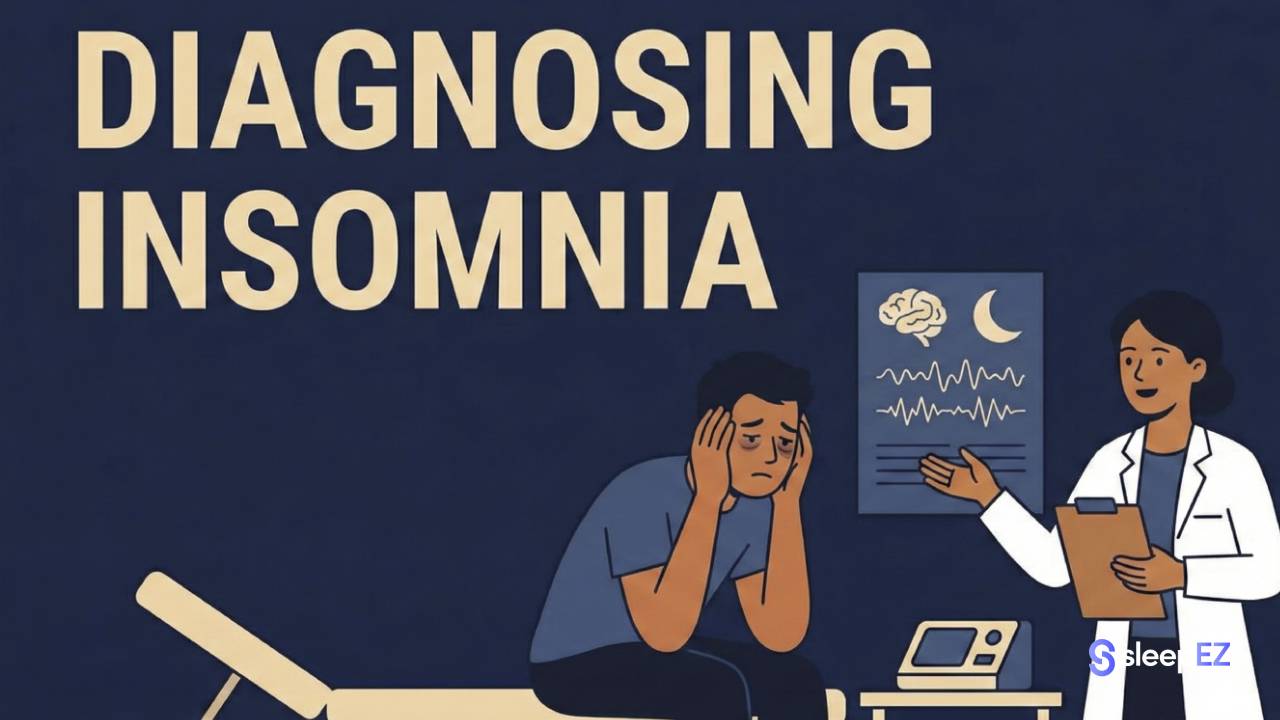
Getting Diagnosed
If you think you have insomnia, seeing a doctor is an important first step. The diagnostic process helps identify what's causing your sleep problems and rules out other conditions. Here's what to expect during your evaluation:
Medical History
Your doctor asks detailed questions about your sleep patterns. They want to know about bedtime habits and how you feel during the day. Keep a sleep diary for two weeks before your visit. This information helps them understand your specific situation.
Physical Check
An exam helps identify underlying health problems that affect sleep. Your doctor looks for medical conditions that might be keeping you awake.
Sleep Surveys
Standard forms measure the severity of your sleep problems. They check how tired you feel during the day and how often you struggle at night.
Sleep Study
Some people need overnight testing. This checks for sleep apnea or other disorders. Sensors track your brain, breathing, and heart.
Activity Monitor
You might wear a device similar to a fitness tracker on your wrist. It records your sleep patterns for several days, giving your doctor objective data about when you sleep and wake.
How to Treat Insomnia
Good news: insomnia responds well to treatment. The best approach combines several methods tailored to your specific needs.
Cognitive Behavioral Therapy (CBT-I)
CBT-I is the top treatment for long-term insomnia. This program fixes thoughts and habits that hurt sleep.
Sleep Restriction limits bed time to match real sleep time. This makes you tired enough to sleep faster. You gradually add more time as sleep improves.
Stimulus Control retrains your brain. Your bed should mean sleep, not worry. Leave the room if you can't sleep within 20 minutes.
Cognitive Therapy challenges bad thoughts about sleep. You learn that one bad night won't ruin you.
Sleep Hygiene teaches good habits for better rest.
Relaxation Methods calm your mind and body. Try deep breathing, muscle relaxation, or meditation.
Studies show CBT-I works well. The benefits last long after treatment ends. No drug side effects either.
Better Sleep Habits
Improving your sleep environment and daily routines creates the foundation for better rest. These changes might seem simple, but they make a real difference:
- Sleep and wake at the same time daily
- Create a calm bedtime routine
- Keep your room dark, quiet, and cool (65-68°F)
- Stop using screens 30-60 minutes before bed
- Cut caffeine after lunch
- Skip alcohol near bedtime
- Exercise regularly, but not close to sleep time
- Get bright light during the day
For a dark room, try a bluetooth sleep mask. It blocks light and can play calming sounds. White noise from a sound machine helps mask outside noise too.
Sleep Medications
Medication can play a helpful role when behavioral approaches aren't enough. Most doctors recommend using sleep aids for limited periods or alongside therapy for best results.
Prescription Options include:
- Drugs that help you fall asleep and stay asleep
- Pills that work with your natural sleep cycle
- Medicines that reduce wake signals in your brain
- Low-dose antidepressants if you're also depressed
Over-the-Counter Choices include antihistamines and melatonin. Don't use these long-term. They can cause side effects.
Doctors suggest using sleep drugs for the shortest time possible. Combine them with CBT-I for lasting results.
Other Approaches
Some people find additional relief from complementary therapies:
- Acupuncture
- Yoga or tai chi
- Herbal supplements (ask your doctor first)
- Light therapy for body clock problems
- Biofeedback training
Your Action Plan
Taking the first steps toward better sleep doesn't have to be overwhelming. Start with these practical actions that you can implement right away:
-
Track Your Sleep: Write down bedtime, wake time, and sleep quality for two weeks. Note how you feel during the day.
-
Find Your Triggers: Look for patterns. Does stress, food, or activity affect your sleep?
-
Start Simple: Pick one or two habit changes. Don't try everything at once.
-
Get Help If Needed: Still struggling after 3-4 weeks? See a doctor or sleep specialist.
-
Be Patient: Sleep takes time to improve. Celebrate small wins.
-
Treat Other Problems: Fix health or mental issues that affect sleep.
When to See a Doctor
Professional help becomes necessary when self-care isn't working. Don't wait until insomnia severely impacts your life. Contact your healthcare provider if:
- Sleep problems last over three weeks
- Insomnia hurts your work or relationships
- You think a medical condition is the cause
- You feel dangerously sleepy while driving
- You need alcohol or pills to sleep
- Your partner notices odd breathing or snoring
The Bottom Line
Millions of people struggle with insomnia, but the condition responds well to treatment. You have more control over your sleep than you might think.
Understanding the causes helps. Knowing the symptoms guides you. Using proven treatments brings results. Most people sleep much better with the right approach.
Good sleep isn't a luxury. It's as vital as food and exercise. Sleep affects your health, brain function, mood, and body. Making sleep a priority pays off.
You can beat occasional sleepless nights or chronic insomnia. Start with basic changes. Be patient with yourself. Get professional help when you need it. Better sleep is possible. Better days follow.
Common Questions
How much sleep do I need?
Most adults function best with seven to nine hours of sleep per night. Your personal needs may fall anywhere in that range. Sleep quality matters just as much as the total hours you spend in bed.
Can insomnia disappear on its own?
Short-term insomnia often fades when stress ends. Chronic insomnia usually needs active treatment.
Are sleeping pills safe long-term?
Most sleep drugs are for short-term use only. Tolerance and dependence can develop. Talk to your doctor about long-term use.
Does exercise help insomnia?
Regular activity improves sleep quality. Just don't exercise too close to bedtime. That can wake you up.
Can food affect my sleep?
Yes. Large meals, spicy food, caffeine, and alcohol near bedtime disrupt sleep. A light snack is fine if you're hungry.
Should I nap when tired from insomnia?
Short naps (20-30 minutes) in early afternoon may help. Late or long naps hurt nighttime sleep.
This article is for information only. It doesn't replace medical advice. Always talk to a doctor about sleep problems before starting treatment.


Leave a comment
This site is protected by hCaptcha and the hCaptcha Privacy Policy and Terms of Service apply.