
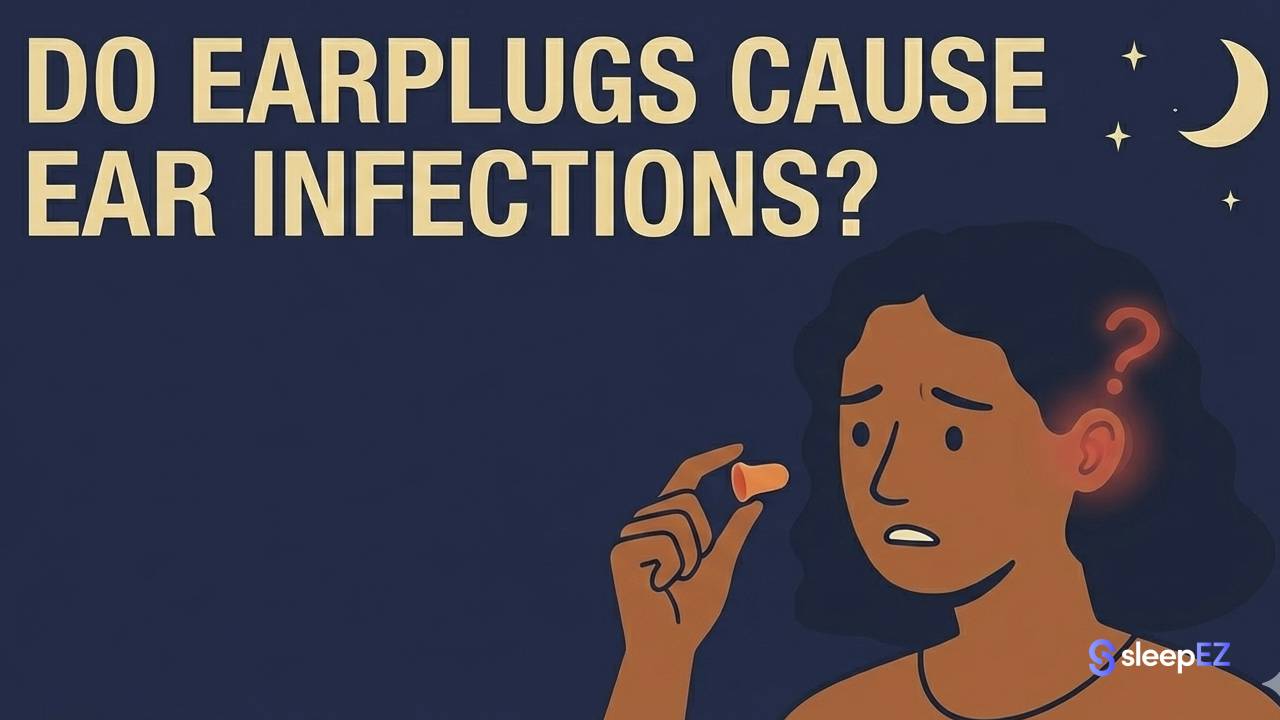
Earplugs are great for blocking noise. But can they actually cause ear infections?
Here's the good news: earplugs themselves don't cause infections. Poor hygiene, moisture, or the wrong materials increase the risk.
This guide explains how infections happen and how hypoallergenic silicone earplugs help prevent them when used correctly.
Can Earplugs Really Cause Ear Infections?
Earplugs don't cause infections on their own. The real problems come from how people use them.
Here's what actually causes earplug-related infections:
- Bacteria trapped in moisture or earwax
- Dirty or unwashed earplugs
- Sharing earplugs with others
- Poor air flow inside the ear canal
- Using the wrong size or low-quality materials
Ear infections linked to earplugs almost always result from improper use, not the earplugs themselves.
Can You Get an Ear Infection from Dirty Earplugs?
Yes. Dirty earplugs carry bacteria directly into your ear canal. Each time you insert them, you push germs closer to sensitive ear tissue. Regular cleaning stops this problem before it starts.
Swimmer's Ear from Earplugs: What You Need to Know
Swimmer's ear (otitis externa) happens when moisture gets trapped in your ear canal. Foam earplugs soak up water and hold it against your ear. This creates a warm, wet space where bacteria thrive.
Silicone earplugs don't absorb moisture. They keep water out and let your ear breathe. Proper earplug use can help prevent swimmer's ear when swimming or showering.
Foam vs. Silicone: Which Is Safer for Sensitive Ears?
| Feature | Foam Earplugs | Silicone Earplugs |
|---|---|---|
| Hygiene | Absorbs moisture and bacteria | Non-porous and easy to clean |
| Reusability | Disposable | Long-lasting, washable |
| Skin Safety | May cause irritation | Hypoallergenic, gentle |
| Risk of Infection | Higher (traps moisture) | Lower (clean and dry surface) |
Silicone earplugs are less likely to harbor bacteria. They're far easier to sanitize than foam ones.
Non-porous materials like silicone create fewer places for bacteria to hide and grow. Their smooth surface rinses clean with simple soap and water.
Are Silicone Earplugs Safe for Daily Use?
Yes, when you clean them properly. Silicone earplugs don't break down or absorb bacteria like foam. You can wear them every night without worry. Just follow basic hygiene habits and replace them every 6-10 days.
How to Use Silicone Earplugs Safely (Step-by-Step)
Step 1: Start with Clean Hands
Always wash your hands before handling your earplugs. Germs on your fingers transfer directly to the earplugs.
Step 2: Clean Earplugs Regularly
Rinse with warm, soapy water after each use. Pat dry with a clean towel. Don't use alcohol or harsh chemicals. They can break down silicone over time.
How Often Should You Clean Earplugs?
Clean silicone earplugs daily if you use them every night. At minimum, wash them every 2-3 days. Quick rinses between deep cleans help too.
Step 3: Keep Your Ears Clean and Dry
Never insert earplugs if your ears are wet. Wait after showering or swimming. Clean visible earwax buildup gently with a damp cloth. Don't push earwax deeper.
Earplugs and Earwax Buildup: The Connection
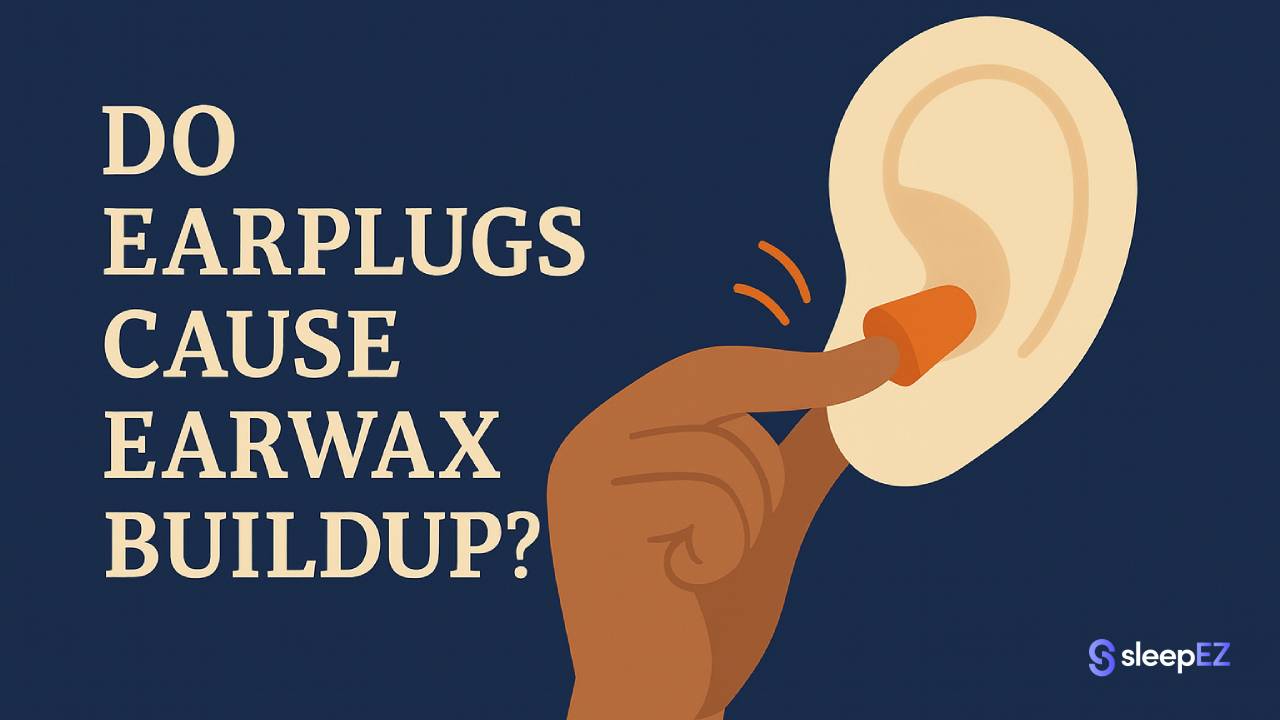
Earplugs don't create more earwax. But they can push existing wax deeper into your canal. This blocks normal wax movement outward. Keep your outer ear clean and avoid forcing earplugs in too far.
Step 4: Store in a Dry Case
Use a ventilated storage case to prevent bacteria growth. Keep earplugs away from humid spots like bathroom counters or gym bags. Air circulation matters.
Step 5: Replace Periodically
Even reusable earplugs wear out. Replace every 10 days. Replace sooner if they lose shape, feel sticky, or become discolored.
Warning Signs to Watch For
Stop using earplugs if you notice these symptoms:
- Itching or redness inside the ear
- Soreness or swelling
- Fluid discharge or foul smell
- Pain when inserting earplugs
- Muffled hearing that doesn't clear
If symptoms persist or worsen, stop using earplugs and consult a doctor. Don't ignore ear pain.
Quick Hygiene Tips for Everyday Use
- Don't share your earplugs with anyone
- Dry your ear canal before inserting
- Rotate between two pairs for better cleanliness
- Avoid pushing earplugs in too deep
- Store in a clean, dry container
- Replace when they show wear
- Check for tears or discoloration weekly
How Do You Prevent Ear Infections from Earplugs?
Prevention comes down to three things: clean earplugs, dry ears, and proper fit. Wash your earplugs after each use. Make sure your ears are completely dry before insertion. Choose the right size so earplugs seal without forcing. These simple steps stop most problems.
What Are the Safest Earplugs for Sleeping?
The safest earplugs for sleeping are hypoallergenic silicone ones. They don't absorb moisture or bacteria. They're soft enough for side sleepers. And they last months with proper care.
Look for silicone that's BPA-free. Make sure they come with a storage case. Quality hypoallergenic options like QuietBuds are designed with these safety features in mind.
Read: Best Ear Plugs For Sleeping 2026
Final Thoughts
Earplugs don't cause infections. Improper care does. With the right hygiene habits and the right material, you can safely enjoy quiet, restful nights. No need to worry about ear irritation.
Reusable hypoallergenic silicone earplugs are designed to protect your ears, not harm them. They combine comfort, safety, and peace of mind every night.
Ready to sleep safely and soundly? Look for earplugs made from hypoallergenic, silicone with proper storage cases for the best protection

Leave a comment
This site is protected by hCaptcha and the hCaptcha Privacy Policy and Terms of Service apply.