
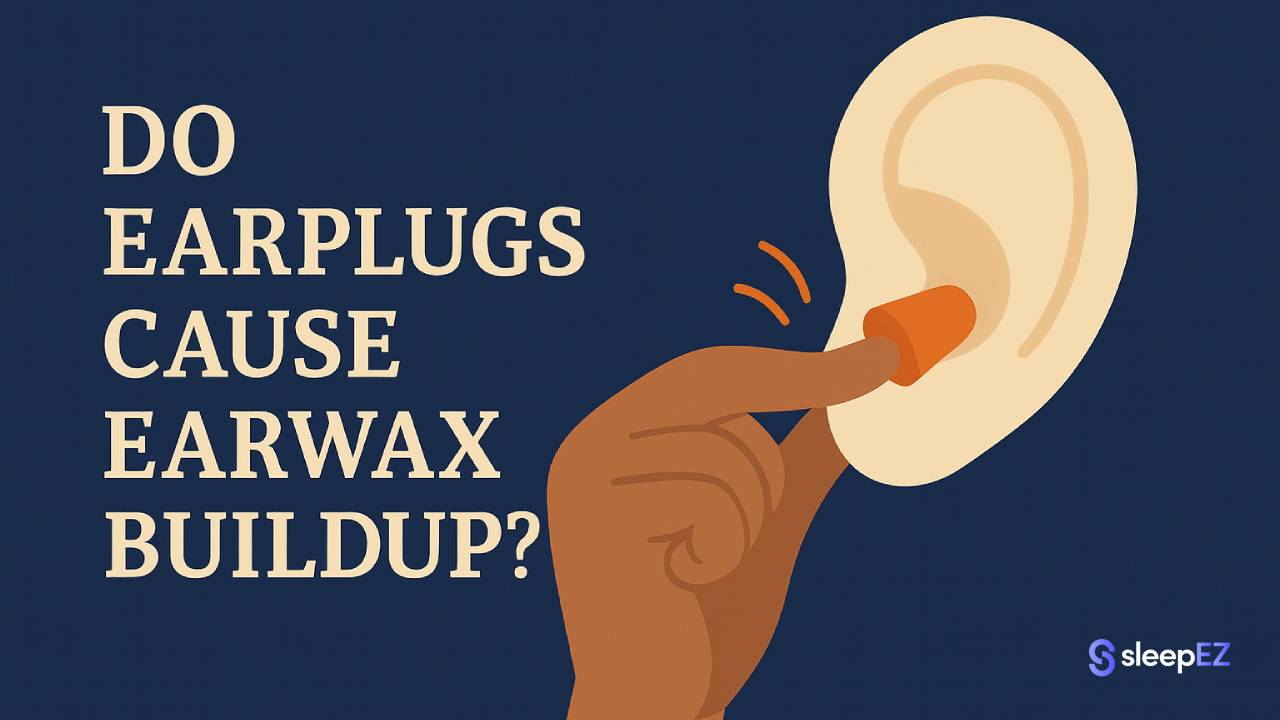
Earplugs don't create more earwax. They simply block the natural exit path, causing buildup over time. Regular cleaning and proper hygiene prevent this issue.
What is earwax buildup? A condition where cerumen (earwax) accumulates in the ear canal instead of naturally migrating out. This can cause fullness, muffled hearing, and discomfort.
You start using earplugs for better sleep. Suddenly, you're cleaning out more earwax than ever. Coincidence?
Not exactly. Earplugs don't make your ears produce extra wax. But they can trap what's already there.
This article explains why buildup happens. You'll learn how to prevent it. And why silicone earplugs like QuietBuds offer a cleaner, safer option than foam alternatives.
Do Earplugs Actually Cause Earwax Buildup?
Here's what actually happens.
Your ears make cerumen naturally. It's a protective substance that traps dust and bacteria. Normally, jaw movement helps wax work its way out. Talking and chewing push it toward the outer ear.
Earplugs interrupt this process. When you wear them for hours, wax can't exit properly. It builds up instead.
Poor hygiene makes things worse. Reusing dirty foam earplugs pushes old wax deeper. The material absorbs moisture and bacteria. This creates an ideal environment for blockage.
Key takeaway: Earplugs don't produce more earwax. They prevent it from leaving naturally when worn for long periods without proper cleaning.
The Science Behind Earwax
Your ear canal produces wax through special glands. This substance has a job. It lubricates the ear canal and protects against infection. According to the American Academy of Otolaryngology, cerumen also has antibacterial properties.
The self-cleaning process works automatically. New wax forms near the eardrum. Old wax migrates outward through natural jaw motion. Dead skin cells and debris travel with it. Eventually, everything reaches the outer ear where it dries and falls away.
Blockage occurs when this migration stops. Studies show that anything blocking the ear canal interferes with natural cleaning. Earplugs, hearing aids, and earbuds all share this effect.
The longer you block the canal, the more wax accumulates. Without regular breaks, buildup becomes inevitable.
Foam vs. Silicone: Which Is Better for Ear Hygiene?
Not all earplugs affect your ears the same way.
| Feature | Foam Earplugs | Silicone Earplugs |
|---|---|---|
| Material | Porous, absorbs moisture and wax | Non-porous, easy to clean |
| Hygiene | Single-use, but often reused | Washable and reusable |
| Comfort | May irritate after long use | Soft, gentle fit |
| Impact on Wax | Traps more debris | Easier to clean, less buildup |
| Lifespan | One-time use | 6-12 months with care |
| Cost | Higher long-term | Lower per use |
Foam earplugs absorb everything. Wax, moisture, bacteria. The porous material becomes a trap. Most people reuse them despite single-use design. This pushes contaminated material back into the ear.
Silicone works differently. The smooth, non-porous surface doesn't absorb wax. You can wash and dry it completely. Bacteria have nowhere to hide.
Silicone earplugs like QuietBuds are designed with hygiene in mind. They don't absorb earwax or bacteria. You can wash them regularly for safe reuse.
Signs of Earwax Buildup
Watch for these symptoms:
- Muffled hearing or reduced sound clarity
- Feeling of fullness or pressure in the ear
- Itchiness inside the ear canal
- Occasional ringing (tinnitus)
- Discomfort when inserting earplugs
- Earache or dull pain
Don't ignore persistent symptoms. If buildup causes pain, stop using earplugs until it clears. See a professional for safe removal.
The Mayo Clinic warns against DIY removal attempts. Cotton swabs push wax deeper. Ear candles are dangerous and ineffective.
Read: Our Best Ear plugs for sleep
How to Prevent Earwax Buildup When Using Earplugs
Follow these practical steps to keep ears healthy.
1. Clean Earplugs Regularly
Wash reusable silicone earplugs after each use. Use mild soap and warm water. Rub gently to remove any wax or debris.
Dry completely before storing. Moisture breeds bacteria. Pat with a clean towel and air dry for 15 minutes.
Store in a clean, ventilated case. Avoid sealed plastic bags. Air circulation prevents bacterial growth.
How often to clean silicone earplugs: After every use, or at minimum once daily for overnight wear.
2. Give Your Ears a Break
Don't wear earplugs all day and night. Your ears need air circulation. Remove them for several hours between uses.
Audiologists recommend the 8-4 rule. If you wear plugs for 8 hours sleeping, give ears at least 4 hours of open air.
3. Maintain Ear Hygiene
Wipe the outer ear gently with a damp cloth. Clean only what you can see. Never insert cotton swabs deep into the canal.
The ear canal cleans itself when left alone. According to the CDC, most people never need manual wax removal.
See an ENT specialist every few months if you use earplugs daily. They can check for buildup before it becomes problematic.
4. Use the Right Fit
Earplugs that are too tight push wax deeper. Those too loose fall out or let in noise.
Choose the correct size for your ear canal. Most silicone options come in multiple sizes. Test different sizes to find your fit.
A proper fit creates a seal without excessive pressure. You should feel comfortable, not stuffed.
5. Replace Earplugs When Needed
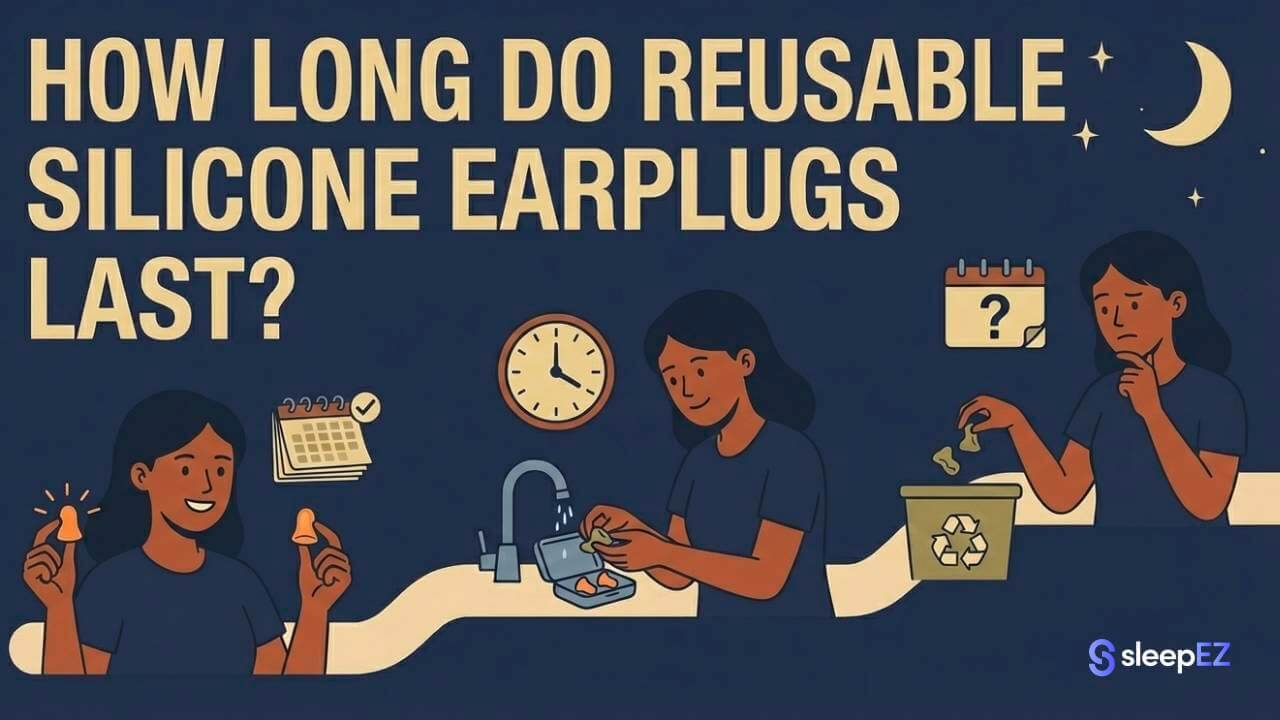
Silicone earplugs last 6-12 months with proper care. Replace them if they become:
- Discolored or stained
- Stiff or cracked
- Less flexible
- Torn or damaged
Old earplugs lose effectiveness. They also harbor more bacteria over time.
Earwax Removal When Using Earplugs
If buildup occurs despite prevention, here's what to do.
Safe home options:
- Stop using earplugs for several days
- Let natural migration resume
- Use over-the-counter ear drops (consult instructions)
- Keep ears dry during treatment
Professional removal methods:
- Irrigation with warm water
- Manual removal with specialized tools
- Suction removal
Never attempt deep cleaning at home. You risk pushing wax against the eardrum. This can cause pain, infection, or hearing damage.
Healthcare providers have proper tools and training. They can remove impacted wax safely in one visit.
When to See a Doctor
Seek medical attention if you experience:
- Pain or blockage that doesn't improve
- Sudden hearing loss or significant reduction
- Persistent itching or discharge
- Bleeding from the ear canal
- Fever along with ear discomfort
These symptoms may indicate impacted earwax or infection. Both require professional treatment.
Don't wait until symptoms become severe. Early intervention prevents complications.
Frequently Asked Questions
Can you wear earplugs every night?
Yes, but with proper care. Clean reusable earplugs daily. Choose silicone over foam for nightly use. Give your ears breaks during the day. Most people can wear earplugs nightly without issues if they maintain good hygiene.
How do you clean silicone earplugs properly?
Wash with mild soap and warm water after each use. Rub gently between your fingers. Rinse thoroughly to remove all soap. Dry completely with a clean towel. Let air dry for 15 minutes before storing. Store in a ventilated case, not a sealed bag.
Do foam earplugs cause more earwax than silicone?
Foam doesn't cause more wax production. But it traps more debris and bacteria. The porous material absorbs moisture and wax. Silicone stays cleaner because it's non-porous. You can wash silicone completely, while foam degrades with cleaning.
How often should I replace my earplugs?
Foam earplugs are single-use. Replace after one wearing. Silicone earplugs last 6-12 months with proper care. Replace sooner if they become discolored, stiff, or damaged. Regular cleaning extends their lifespan.
Final Thoughts
Earplugs don't cause earwax. Using them incorrectly does lead to buildup.
The solution is simple. Keep both your ears and earplugs clean. Choose the right material. Give your ears regular breaks.
Prevention beats treatment every time. A few minutes of daily care prevents weeks of discomfort.
Reusable, hypoallergenic silicone earplugs like QuietBuds make ear hygiene easy. Soft, washable, and designed for long-term comfort. No mess, no buildup, just better sleep.
Your ears have a natural cleaning system. Work with it, not against it. Clean earplugs support healthy ears.

Leave a comment
This site is protected by hCaptcha and the hCaptcha Privacy Policy and Terms of Service apply.